




The most common juice cleanse side effects are hunger, headaches, tiredness, feeling cold or a bit irritable, and changes to your toilet habits. For most healthy adults these are mild and settle within a day or two, and they are mainly caused by eating less than usual and cutting out caffeine. A juice cleanse is not suitable for everyone, though: if you are pregnant, breastfeeding, diabetic, have a kidney condition, a history of eating disorders, or take regular medication, speak to your doctor before you try one.
Here is what is normal, why it happens, and who should skip a cleanse altogether.
What are the common side effects of a juice cleanse?
A juice cleanse means drinking only juice (and plenty of water) for a set number of days, so you are eating noticeably fewer calories and much less protein and fat than usual. Your body notices. The side effects people mention most often are:
- Hunger, especially on the first day and in the evening.
- Headaches, very often linked to stopping coffee, tea or energy drinks.
- Tiredness or low energy, and sometimes feeling light-headed if you stand up quickly.
- Irritability or poor concentration, the classic "hangry" feeling.
- Feeling colder than usual.
- Changes to digestion, such as more frequent trips to the loo, or the opposite, because the fibre in your diet changes.
The British Dietetic Association notes in its food fact sheet on detox diets that people on restrictive "detox" plans may feel tired, dizzy, irritable and unable to concentrate. These are signs of eating less, not proof that anything is "leaving your body". We think it is worth being clear about that: a juice cleanse is a short, structured break built around fruit and vegetables, not a medical treatment.
Why do juice cleanses cause headaches?
The biggest culprit is usually caffeine. If you normally have a few coffees or teas a day and stop suddenly, a withdrawal headache is very common. A 2004 review of caffeine withdrawal research found headache occurred in around half of people in experimental studies, typically starting 12 to 24 hours after their last caffeine and peaking within the first two days. That matches what many people describe on day one or two of a cleanse.
Not drinking enough water and simply being hungry can add to it. Three things help:
- Cut down caffeine gradually in the days before your cleanse rather than stopping overnight.
- Drink at least 2 to 3 litres of water a day alongside your juices.
- Swap coffee for caffeine-free herbal tea if you miss the ritual of a hot drink.
Our guide on how to prepare for a 3 day juice cleanse has a simple plan for the days beforehand.
Is it normal to feel tired or hungry on a juice cleanse?
Yes. Juice has very little protein or fat, so it does not keep you full in the way a meal does. Most people find day one the hardest and settle into a rhythm after that. Spacing your juices out, roughly every 2 to 3 hours from when you wake up, stops long gaps where hunger builds. Keeping busy, getting to bed earlier and avoiding heavy exercise also make a real difference.
If hunger is the thing that worries you most, a cleanse that includes some warm food can be easier. Our Soup & Juice Cleanse swaps two of the day's juices for soups, which many people find more satisfying, especially in colder months. If you want to see how the days typically unfold, read what happens to your body during a 3 day juice cleanse.
What about sugar in juice?
This is a fair question. The NHS counts the sugars in unsweetened fruit juices, vegetable juices and smoothies as "free sugars", and in everyday life it advises keeping juice and smoothies to no more than 150ml a day, ideally with meals, partly because released sugars can damage teeth (NHS: Sugar, the facts).
A juice cleanse deliberately steps outside that everyday guidance for a short period, which is one reason we recommend keeping cleanses short and not making them your normal way of eating. A few sensible habits:
- Choose a cleanse with plenty of green and vegetable-based juices rather than mostly fruit.
- Rinse your mouth with water after each juice, and wait a while before brushing.
- If you have diabetes or any problem controlling your blood sugar, do not start a juice cleanse without medical advice.
Who should not do a juice cleanse?
A juice cleanse is not suitable for everyone. Please do not do one, or speak to your GP first, if any of these apply to you:
- You are pregnant or breastfeeding.
- You have diabetes or another condition affecting blood sugar.
- You have kidney disease or a history of kidney stones. Some leafy greens and vegetables are high in oxalate, and published case reports, such as this report of kidney injury linked to a juice diet, show why people with kidney concerns need medical advice first.
- You have, or have had, an eating disorder or a difficult relationship with food.
- You take regular medication, including blood thinners, as some fruit and vegetables can interact with medicines.
- You are under 18, underweight, recovering from illness or surgery, or have any ongoing medical condition.
If you are unsure, the safest choice is to ask your doctor or pharmacist before ordering.
When should you stop a juice cleanse?
Mild hunger and a dull headache on day one are common. Stop the cleanse, eat something and seek medical advice if you feel faint, have a racing heartbeat, become confused, have severe or persistent vomiting or diarrhoea, or simply feel unwell in a way that worries you. There is no prize for pushing through. Ending early and easing back into food is always fine; our article on what to eat after a juice cleanse explains how.
How to make a juice cleanse easier
- Start small. We recommend a 3-day cleanse for first-timers. If you are nervous, a lighter option like the LEAN Juice Cleanse (4 juices a day) or the Soup & Juice Cleanse can be a gentler introduction.
- Prepare for a few days beforehand: less caffeine, alcohol, sugar and processed food, and more vegetables and water.
- Pick quiet days and avoid heavy exercise. See can you exercise on a juice cleanse?
- Follow the timing. Start your first juice on waking and leave 2 to 3 hours between juices.
- Keep drinking water, at least 2 to 3 litres a day.
- Read the instructions before you start: our juice cleanse instructions cover storage, order and timings.
Fuel Station's juice cleanse at a glance
Made in the UK since 2012: cold-pressed juice with no stabilisers, so juices can naturally separate (give them a shake for 10 seconds).
Storage: juice is frozen immediately after juicing and arrives semi-frozen. Freeze it on arrival, then move each day's juices to the fridge the evening before (about 12 hours). Once defrosted it keeps for 3 days in the fridge, so there is no need to freeze if you are starting a 3-day cleanse straight away.
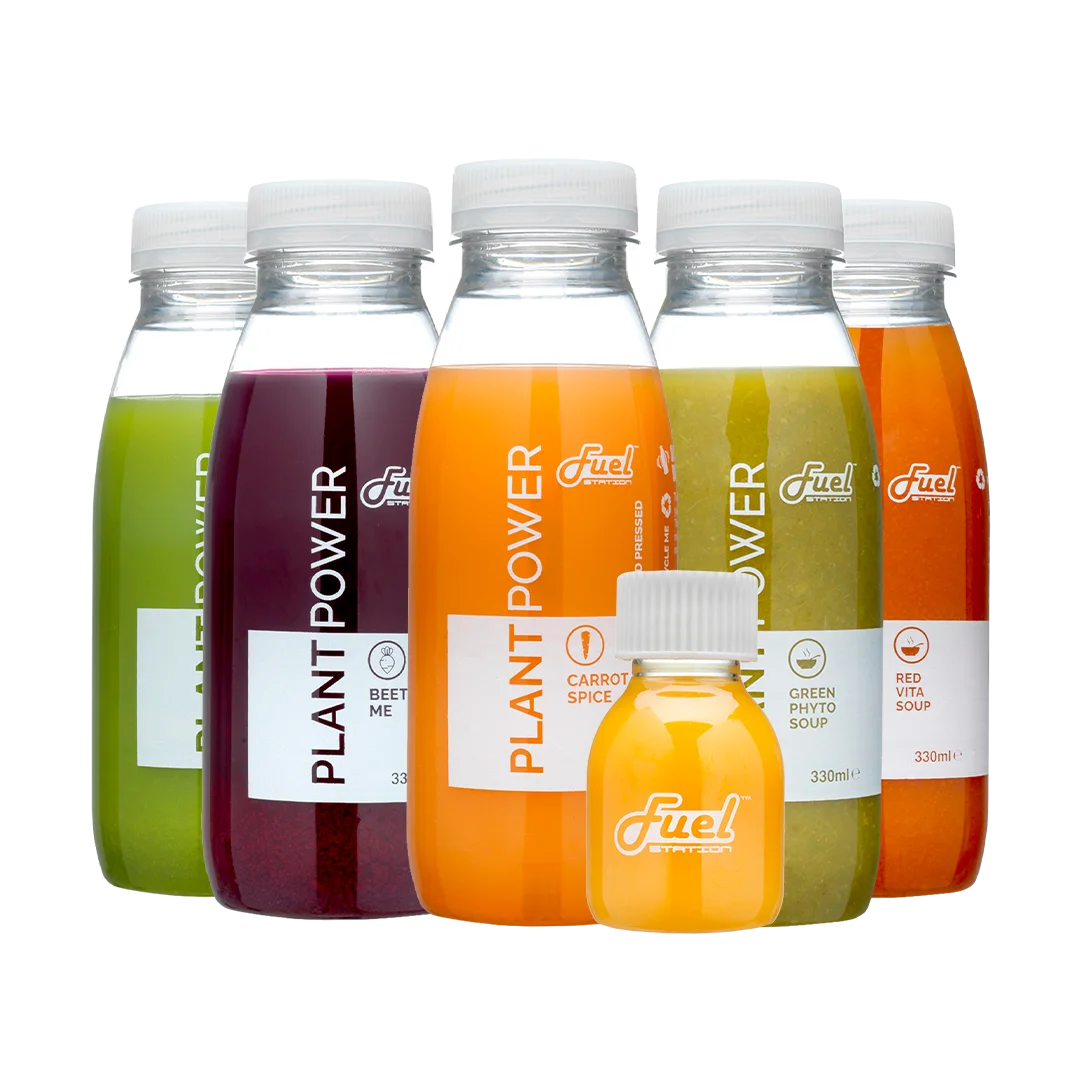
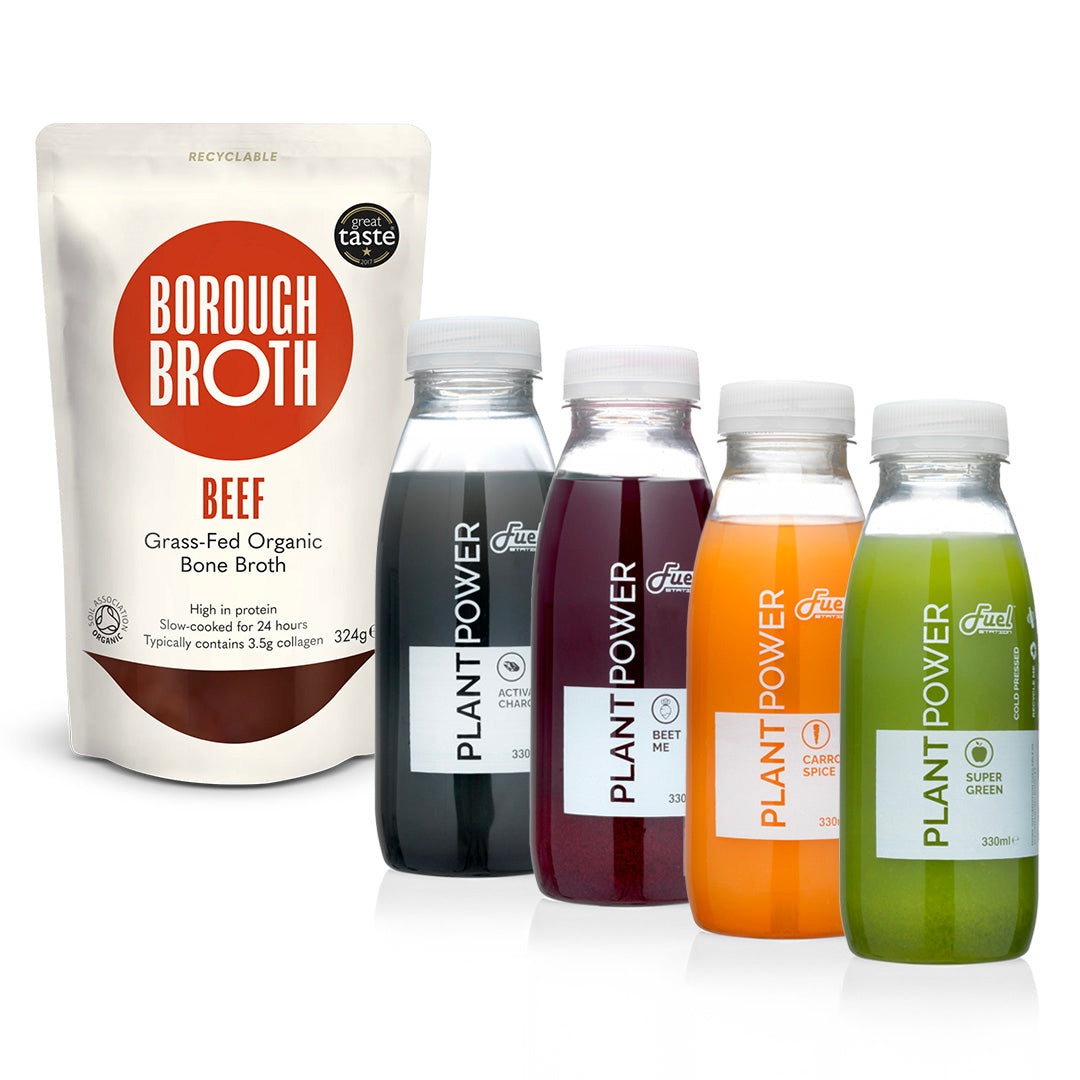
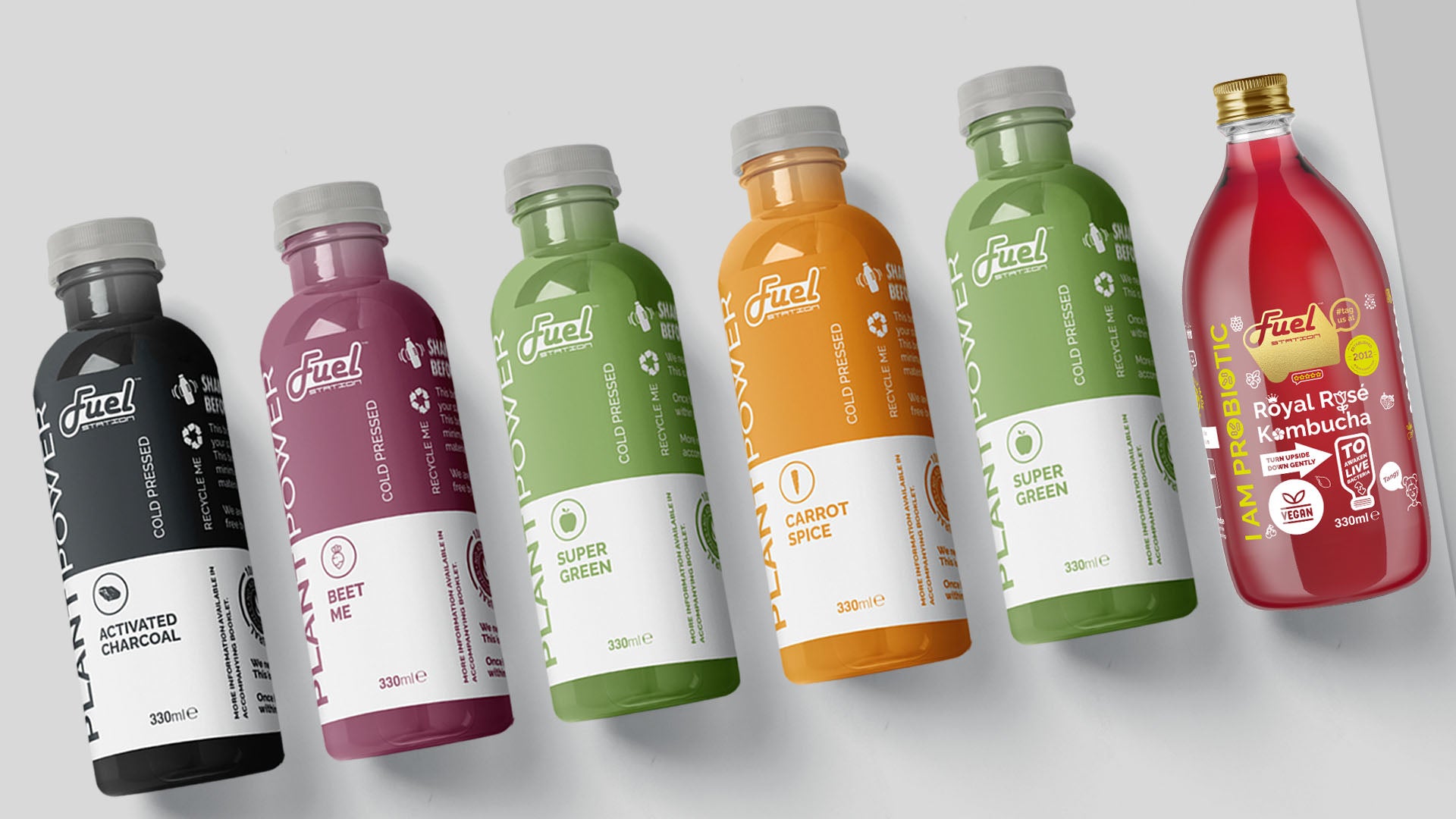
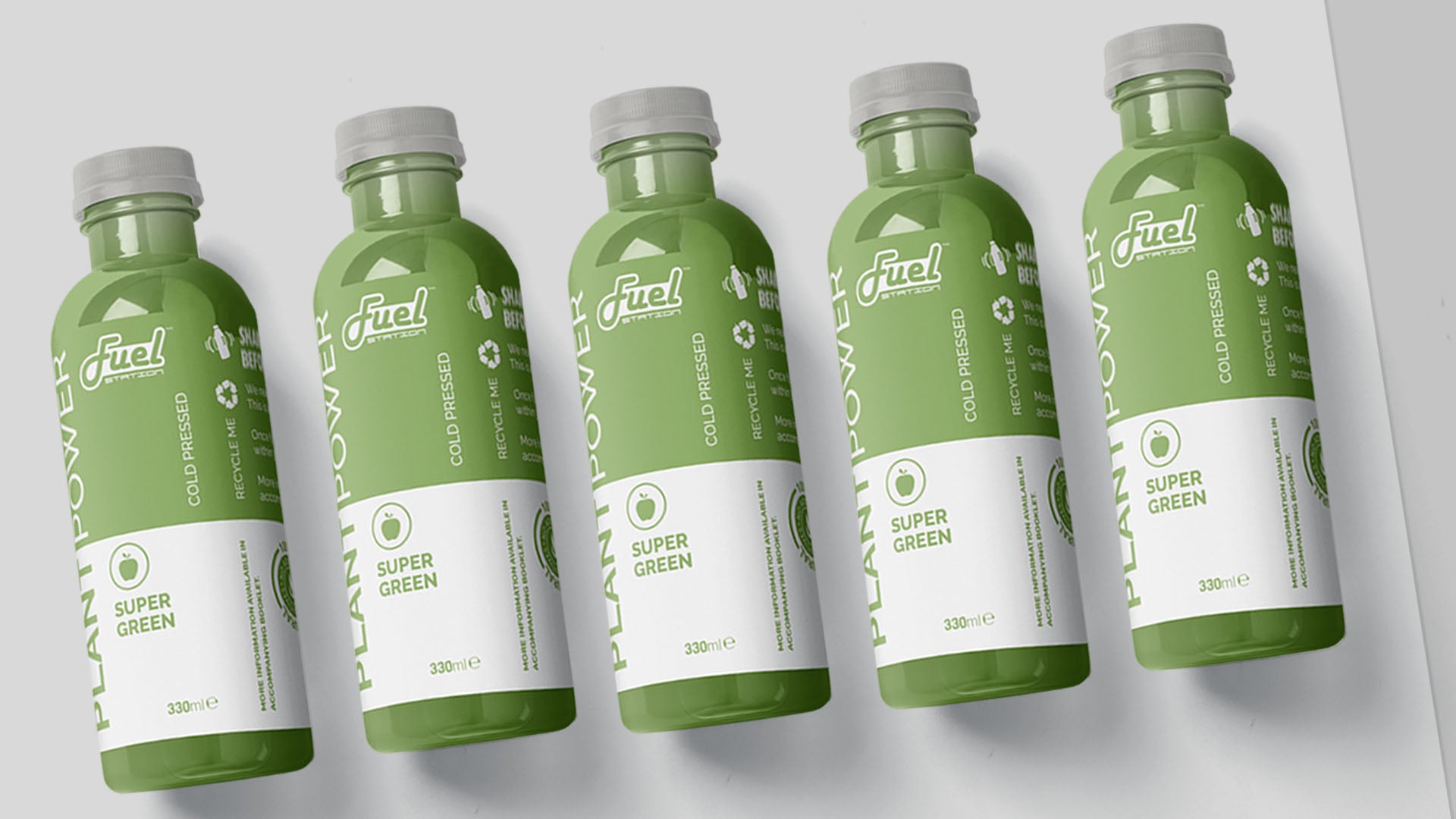
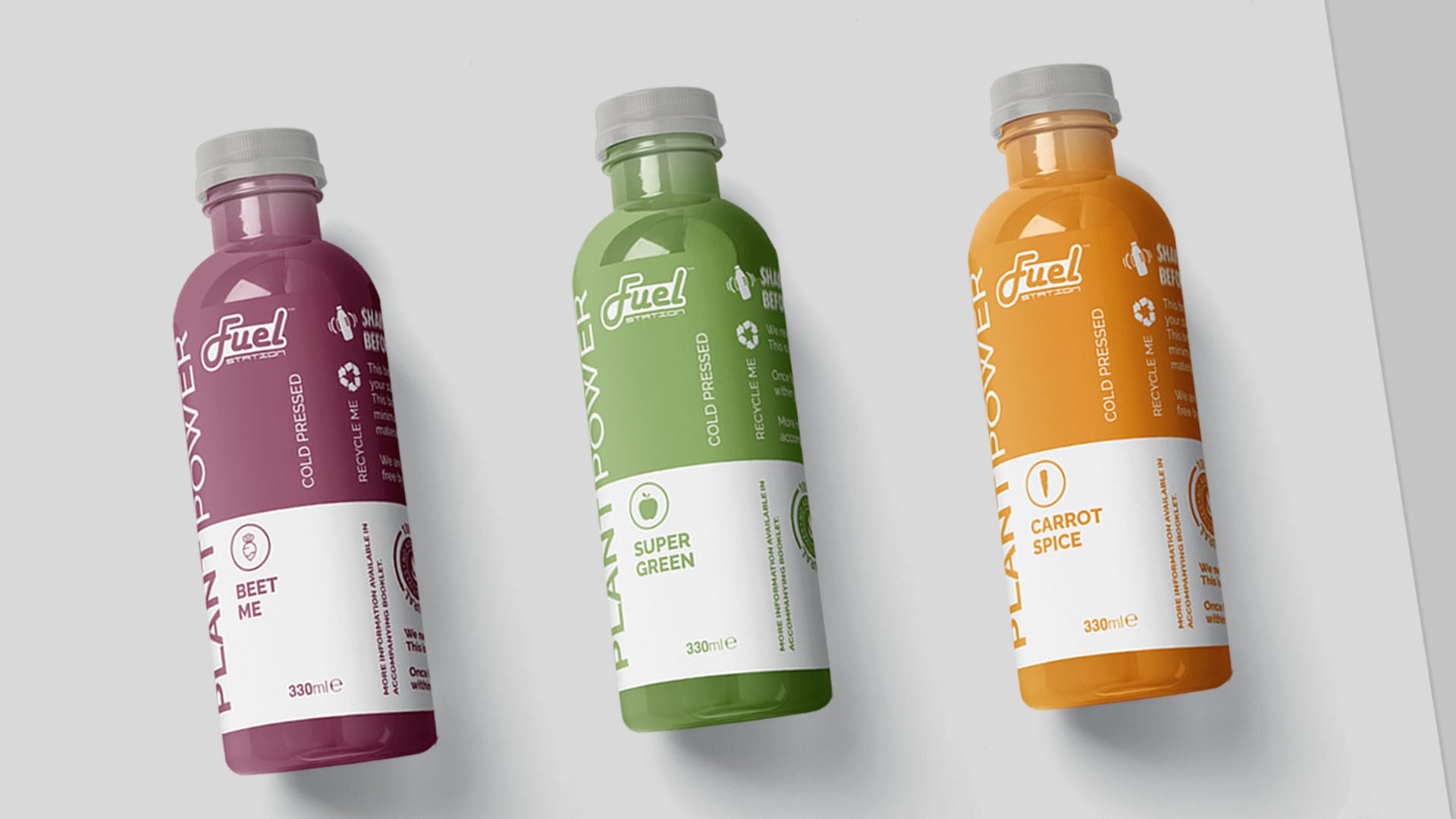
Options: THE Juice Cleanse (5 juices a day: Lean Green, Carrot Spice, Charcoal, Beet Me, Super Green), the LEAN Juice Cleanse (4 juices a day) and the Soup & Juice Cleanse (3 juices and 2 soups a day; soups heat in 3 to 4 minutes). Packages run from 1 to 14 days, and Turmeric & Ginger shots can be added.
Delivery: next-day UK delivery on orders placed before 3pm, every day except Sunday. Ireland delivery Tuesday to Friday.
Browse the full range in our juice detox collection, or read more about how our juice detox works.
Juice cleanse side effects: FAQs
How long do juice cleanse side effects last?
For most healthy adults, hunger and headaches are strongest on day one and usually ease by day two or three. Caffeine withdrawal symptoms can last a few days, which is why cutting down before you start helps. If symptoms are severe or do not improve, stop and seek medical advice.
Can I drink coffee during a juice cleanse to stop headaches?
We recommend avoiding caffeine during a cleanse, but caffeine-free herbal tea is fine. The best way to avoid a caffeine headache is to reduce coffee and tea gradually in the days before you begin, rather than stopping suddenly on day one.
Why do I feel cold on a juice cleanse?
Eating fewer calories than usual can make some people feel colder. Wearing an extra layer and sipping caffeine-free herbal tea helps. A Soup & Juice Cleanse, with two warm soups a day, can feel more comforting in winter.
Is it safe to do a juice cleanse if I take medication?
Check with your GP or pharmacist first. Some fruit and vegetables can interact with certain medicines, and a sudden change in diet can affect conditions that medication is managing.
Are juice cleanse side effects a sign of "toxins" leaving the body?
No. Headaches, hunger and tiredness are best explained by eating less, less caffeine and a change in routine. We think of a juice cleanse as a short, structured reset built around fruit and vegetables, not a way to remove toxins.
A note on your health
A juice cleanse is not suitable for everyone. If you are pregnant, breastfeeding, have a medical condition or take medication, please speak to your doctor before starting a cleanse. This article is general information and is not a substitute for personal medical advice.

